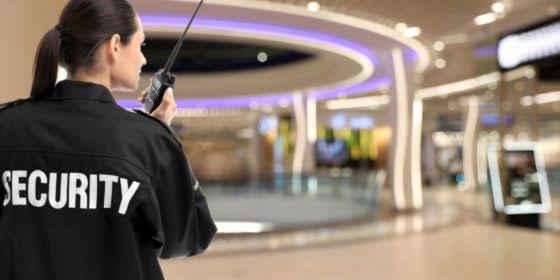

Modern commercial enterprises and distribution networks supporting the growing real estate market across the United Arab Emirates enjoy a phenomenally safe operational environment. However, the vulnerability of a commercial site can vary enormously over a 24-hour period. Once the normal business cycle has ended, employees have left, and foot traffic has subsided, commercial premises become relatively vacant and unmonitored. The deployment of certified security guards in Dubai within commercial premises is crucial for the protection of a business against loss, damage, and unauthorized access.
Night security operations are regulated by the Security Industry Regulatory Agency (SIRA) and need to adopt a different strategy and focus at night compared to the day. Due to darkness and reduced visibility, as well as quiet streets, night security operations need to adopt pro-active surveillance, designated patrol routes and an emphasis on communications in the control room. This ensures commercial premises are secure until the start of the next operational day.
1. Why Commercial Vulnerability Increases After Hours
Security incident data for commercial real estate reveals that operational security risks significantly increase at night. Understanding the risks for an individual facility can assist facility managers in developing appropriate security measures.
- Absence of Natural Eyeballs: During the day, employees, clients, cleaners, and visitors provide an informal surveillance presence and will recognize the abnormal. After hours, this informal surveillance is gone, and unauthorized people can attack the building’s perimeter and the less visible/rear service loading docks.
- Delayed Infrastructure Hazard Discovery: Security is not just about human threats. A burst pipe, short circuit, or even burning trash can damage a building if there is no one on site to monitor it and mitigate the damage to the building at night. The first morning shift might discover the damage at 7:00 AM after the 2:00 AM incident.
- Targeted High-Value Material Theft: Industrial yards, construction sites, and commercial warehouses have elevated threats from organized criminal groups who steal copper spools, electrical components, tools, and diesel fuel during the night.
- Covert Entry Exploitation: Less lighting in the area leads intruders to test your perimeter fence, pry open back utility service doors, or enter through unoccupied roof access hatches and emergency exit corridors.
2. Core Tactical Pillars of Effective Night Security Deployments
A combination of physical security, daily planning, and digital security systems is the only way to secure a building and are essential to deterring the exploits of thieves and criminals during the night.
| Night Security Layer | Traditional Static Setup | Advanced Overnight Defense Model |
| Post Assignment | Guard remains seated at a main entrance gate desk. | Hybrid post coverage combining static entry monitoring with active roving sweeps. |
| Verification System | Manual hand-written logbook entries updated at shift end. | Real-time RFID or NFC digital checkpoint scanning linked to live monitoring dashboards. |
| Lighting & Optics | Reliance on standard ambient facility floodlights. | Utilization of tactical high-lumen flashlights, thermal CCTV optics, and motion sensors. |
| Supervisors Auditing | Occasional phone calls from account managers. | Unannounced overnight field supervisor visits and automated radio safety check pings. |
The best security guards services in Dubai enforce their own practices and guarantee the engagement of security officers during routine night shifts. For example, security patrols are required to check in via radio every 30 minutes and maintain a patrol rotation.
3. Implementing Structured Patrol Systems and Checkpoint Verifications
Static monitoring alone is insufficient for securing large commercial footprints overnight. Roving security patrolling ensures every accessible corner, stairwell, utility locker, and perimeter boundary line undergoes continuous physical inspection.
- Randomized Patrol Schedules: If patrol routes are fixed, observant trespassers can exploit even the most negligent security. Night shift officers are tasked with randomized patrol patterns to ensure their presence on the perimeter patrol is entirely unpredictable.
- NFC Checkpoint Traverses: Digital Near Field Communication (NFC) or RFID units are fixed at high value target areas such as server rooms, main electrical breakers, fire pumps, roof hatches, and rear loading gates. During a patrol, an officer scans the tag using a hand terminal to record an inspection in the system.
- Clean-Desk and Lock-Up Verification: Patrols during the night serve a dual purpose of verifying the safety of the operation. Officers ensure that all internal office doors are locked, there are no documents on open desks, high value tools are placed in lockable storage, and that unneeded equipment is powered off.
4. Emergency Escalation and Rapid Response Protocols
An anomaly detected at night, such as activated perimeter fencing, glass break detection, or an unaccounted for opening of a door, results in the following:
- Immediate Verification via CCTV: The control room officer or the guard on duty examines the camera feeds to check on the triggering event before proceeding to the area.
- Containment and Tactical Approach: Guards (green strength) move into position under tactical employment using back up teams (blue strength) and mobile response units to isolate exit corridors and prevent uncontrolled entry.
- Direct Police and Civil Defence Linkup: If guards confirm an intrusion or a critical fire situation, they call the Dubai Police or Dubai Civil Defence and clear the access points to allow the first responders to enter and guide them to the required locations.
Securing Your Assets Around the Clock
While business operations pause at the end of the day, physical security requirements remain constant. Protecting real estate assets, commercial inventory, and corporate infrastructure from overnight risks demands a proactive, SIRA-compliant strategy built on disciplined night personnel and automated patrol management.
Partnering with established providers of guarding security services ensures your property benefits from continuous visual deterrence, systematic security patrol sweeps, and professional emergency readiness – guaranteeing your assets remain fully protected 24 hours a day, 365 days a year.