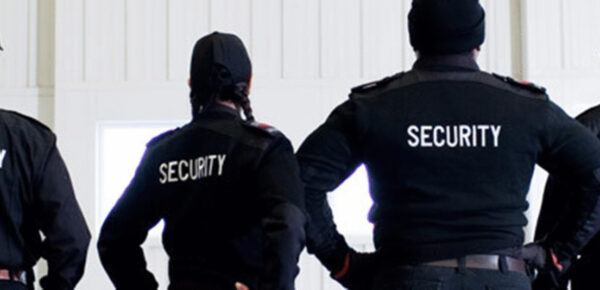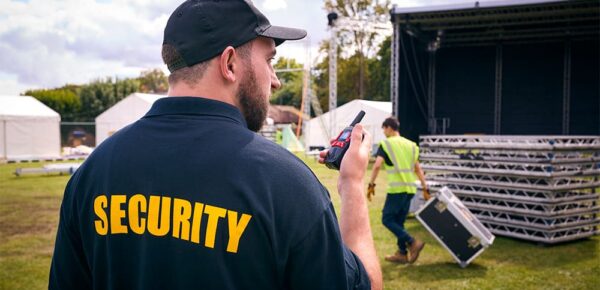
In the United Arab Emirates, when assessing the physical safety of a commercial office tower, residential gated community, retail or industrial complex, having trained personnel on the premises is a necessary first line of defense. The security guard, unfortunately, has been relegated to the front desk and gate pass checking roles in the public imagination. Security guards in Dubai, however, must be frontline defenders. They take the roles of risk assessors and threat mitigators. Security personnel in Dubai are customer service professionals as well.
Private security provision is overseen by the Security Industry Regulatory Agency (SIRA). SIRA has developed comprehensive frameworks covering the licensing of individual security guards, inspection and clearance of background checks, physical fitness and continuous training. Analysis of a security guard’s role provides an understanding of how security personnel protect the interests of a facility and its staff.
1. Core Access Control and Perimeter Verification Management
The primary responsibility of a security officer relates to the management of access control. Any operational facility that has unmanaged entry points leaves itself operationally vulnerable, as such points allow entry to unauthorized persons who can access private areas, confidential data, or endanger the occupants of the facility.
- Visitor Vetting and Badge Issuance: The first step in controlling access is the security officer’s vetting of visitors, contractors, and delivery personnel prior to allowing entrance. Security officers compare the name of the visitor with appointment logs, examine government Emirates ID or passport, and temporary access control passes and maintain visitor logs.
- Vehicular Access Management: Guards at basement ramps, barrier gates, and loading docks, check incoming commercial and private vehicles. Parking permits are checked and delivery manifests are verified against delivery schedules. Traffic is controlled to avoid congestion. Entry and exit times are recorded.
- Barrier and Turnstile Monitoring: Guards stationed at optical turnstiles or electronic access gates in corporate towers, control access, and remove tailgaters if an employee passes through a secure access point.
2. Systematic Security Patrol and Physical Surveillance
Active patrols are required to cover the entire site. A planned security patrol of the site has two functions: creating the perception of an active patrol to discourage unlawful activity and inspecting hidden areas for potential threats.
- Roving Facility Sweeps: Patrol officers will either walk or use special vehicles to follow specific floor plans. They will check the parking garage, service corridors, stairwells, utilities, and fire exit doors.
- Checkpoint Scanning: Guards use hand-held devices to check-in using RFID or NFC tags at specific checkpoints to send their location to the building management. It is used to check accountability of the patrol
- Property Hazard Inspections: In addition to crime prevention, guards look for safety concerns. They will report issues with electrical panels, blocked fire escape routes, water or other fluid leaks, and emergency lights that are out. Guards will notify the maintenance engineers of the issues to prevent damage to the property.
3. CCTV Monitoring, Incident Handling, and Detailed Logging
Contemporary security guards engage fully with electronic surveillance systems. In some companies, licensed guards command out of centralized control rooms, operating CCTV systems and fire alarm control panels in real time.
- Real-Time Video Oversight: Operators in control rooms monitor real time closure of CCTV footage of sensitive areas, such as elevator lobbies, entry/exit doors, cash handling areas, and Points of Sale, and respond immediately to signs of loitering and unauthorized entry.
- Legal Incident Logging: Guards are required to document detailed reports of incidents. In accordance with SIRA guidelines, guard logbooks are required to capture time, observations, the parties involved, and actions taken; these reports serve as working documents for managers and are used in police investigations.
- De-Escalation and Conflict Resolution: Security guards are further trained to address public disputes and remove trespassers without the aid of law enforcement.
4. Immediate Emergency Response and Life-Safety Protocols
In the case of emergency medical incidents, building fires, power outages, or storms, security guards become the first responders. They assume a leadership role while other professional responders are on route.
| Emergency Scenario | Primary Security Guard Responsibility | Life-Safety Action Plan |
| Fire Alarm Activation | Panel verification, scene assessment, and evacuation leadership. | Confirm alarm location, direct occupants toward emergency exit stairwells, prevent elevator usage, and secure fire doors. |
| Medical Emergency | Rapid first-response intervention and emergency dispatch coordination. | Administer basic first aid, clear path of travel for paramedics, and meet ambulance crews at the main entrance for immediate site escort. |
| Severe Weather / Facility Failure | Infrastructure protection and perimeter containment. | Secure loose outdoor fixtures, isolate flooded areas, prevent access to compromised structures, and notify facility engineers. |
| Security Breach / Intrusion | Containment, reporting, and law enforcement link-up. | Secure the affected perimeter, capture CCTV evidence, notify local authorities, and provide arriving police with immediate access and incident briefs. |
5. Sector-Specific Guarding Adaptations Across the UAE
Although the overarching principles of a security guard company in Dubai remain standardized, the nature of work done by individual security guards is largely dependent on the type of services being rendered by a given establishment:
- Commercial & Office Towers: Verification of building contractors, monitoring optical turnstiles, and vigilant after hours audits are pillars of this service.
- Retail Centers & Shopping Malls: Crowd management, loss and shrinkage prevention, and certain security procedures (such as assisting and processing lost children) differ from managing the point-of-sale security gates.
- Residential Communities & Villas: Resident vehicle verification, delivery personnel management, and enforcement of community rules, especially during quiet operational hours.
- Industrial & Logistics Parks: Safety and security of movement of heavy vehicles, verification of pass for hazardous materials, and oversight of activities at loading docks and enforcement of a strict gate pass control process.
Partnering with a Certified Security Guard Company in Dubai
The multiple responsibilities given to security personnel exhibits the need to select the best service provider. The deployment of proactive controls requires a professional guarding security services that undertakes stringent SIRA-certified personnel vetting and training, proactive supervisory and technology controls.
Through Landmark Security, property owners can ensure security guards are skilled in the control of safety and security, maintaining compliance, and the protection of valuable assets and infrastructure 24/7.